INDUSTRY — ROBOTICS & AUTONOMY
Authorize the command before the actuator moves.
The Gateway's Edge/Autonomy profile rules on every command against its envelope — position, velocity, force, zone, payload, mission phase — through seven edge policy evaluators, deterministic and in-path, before dispatch.
Bring one AI workflow, one consequential action, or one data boundary.
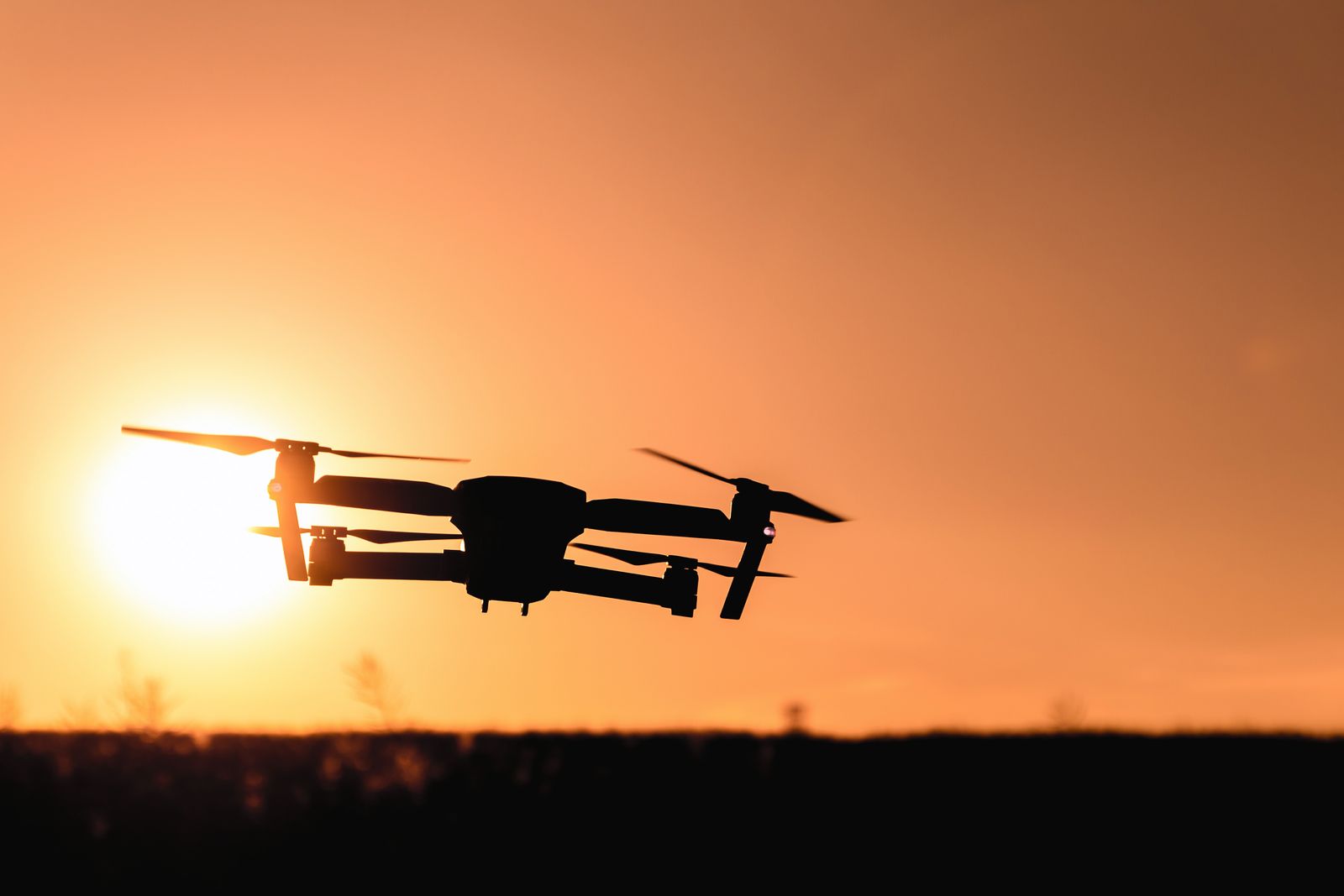
PLATE P-03 — AUTONOMOUS PLATFORM IN THE FIELD
FIG. 1 — COMMAND AUTHORIZATION PATH
AUTONOMY STACK
AI-ORIGINATED COMMAND
planner output · teleop assist · agent-issued motion or mission command
ENVELOPE CHECK
CONTAINMENT
RULED AGAINST THE ENVELOPE
zone · velocity · force · payload · mission phase — deterministic, in-path
HARDWARE
ACTUATOR
integration target · the production actuator connector is scoped with each design partner
FIG. 2 — ENVELOPE EVALUATION
A command ruled against its envelope, pre-execution.
ZONE: CELL-A
VELOCITY ≤ 1.5 M/S
FORCE ≤ 40 N
PAYLOAD ≤ 12 KG
PHASE: RUN
ENVELOPE EVALUATION — policy: envelope-cell-a-v6PRE-EXECUTION · IN-PATH
COMMANDmove_to(x: 2.1, y: 0.8) @ 1.2 m/s · payload 6 kg
CHECKzone CELL-A ✓ · velocity 1.2 ≤ 1.5 ✓ · payload 6 ≤ 12 ✓ · phase RUN ✓
RULING
ALLOW
eligible for dispatch in an integrated deployment
sha256:71c3…e88a · envelope-cell-a-v6 · all bounds satisfied · signed
FIG. 3 — THE SEVEN EDGE POLICY EVALUATORS
Seven evaluators rule on every command. Here they are.
01 · ACTION AUTHORIZATION
Rules the command against the action envelope before dispatch.
02 · OUTPUT-SCHEMA CONFORMANCE
Rejects model output that doesn't conform to the declared command schema.
03 · INDIRECT PROMPT INJECTION
Screens inputs for injected instructions riding on sensor or task data.
04 · TOOL-CAPABILITY SCOPE
Confines each agent or planner to the tools and capabilities it was granted.
05 · COMMAND-RATE ENVELOPE
Bounds command frequency — a runaway planner can't flood the actuator.
06 · CLASSIFICATION SPILLAGE
Blocks content that matches configured markings or data-handling policy from crossing into unauthorized outputs.
07 · INPUT PROVENANCE & ANTI-REPLAY
Verifies where the command came from and rejects replayed or stale inputs.
SERVED THROUGH TWO SEAMS — /v1/action/authorize AND /v1/output/conform — WITH SIGNED DECISION PROVENANCE ON EVERY RULING.
FIG. 4 — WHY AN ENVELOPE, NOT A JUDGE
Milliseconds matter
Envelope evaluation is bounded-time policy math — fast enough to sit in the command path, unlike a model round-trip.
Testable safety cases
A deterministic envelope is something a safety engineer can enumerate, test, and sign — a probabilistic judge is not.
Every ruling recorded
The action-authorization path writes signed, hash-chained receipts. Production actuator integration is validated with each design partner during the pilot.
INDUSTRIAL ARMS & COBOTS
AMRs & WAREHOUSE FLEETS
UAS / UGV — DEFENSE
INSPECTION & TELEOP
An enumerable envelope gives your ISO 10218 / ISO/TS 15066 / ISO 3691-4 safety case something to test.
FIG. 5 — WHAT THE PROGRAM GETS
The business outcome: autonomy ships with a safety case your engineers can sign.
Faster safety sign-off
A deterministic envelope is enumerable and testable — your safety engineers verify the bounds instead of arguing about a probabilistic judge, and the sign-off conversation gets shorter.
One envelope across the fleet
Versioned policy bundles mean the same command meets the same ruling on every platform. Update the envelope once; every unit evaluates the known version.
Every ruling is evidence
Signed, hash-chained receipts on the authorization path turn every ALLOW and DENY into incident-review and assurance material — written as the decision is made, not reconstructed after.
Managed pilot available — actuator and command-envelope integrations scoped with your team under the Design Partner Program.